Strategic Visual Storytelling: Leveraging the Chocolate Candy Pattern for Brand and Creative Success
In the competitive landscape of visual communication, the selection of background assets is rarely a mere aesthetic afterthought; it is a foundational decision that influences user perception, brand recall, and emotional engagement. The Chocolate Candy Pattern collection represents more than just a set of whimsical illustrations; it is a strategic resource for creators, marketers, and small business owners aiming to inject warmth, nostalgia, and approachability into their projects. When utilized with intention, these seamless designs—featuring rich cocoa browns, creamy caramels, and playful candy accents—can transform standard deliverables into memorable experiences that resonate deeply with target audiences.
This analysis explores how integrating high-resolution, thematic patterns like this chocolate and candy series can support broader goals in branding, product packaging, and digital content creation. By moving beyond random decoration and adopting a planned approach to visual assets, professionals can ensure that every design element contributes to long-term results and cohesive storytelling.
Defining the Asset: More Than Just Sweet Illustrations
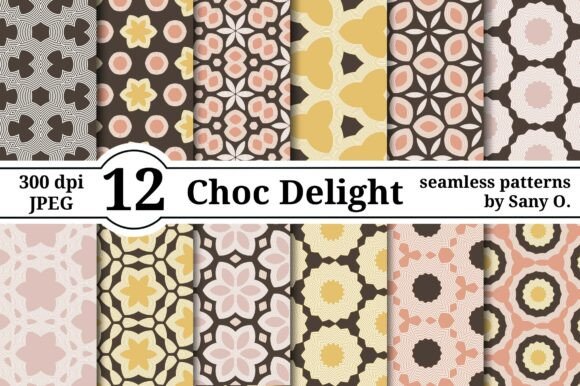
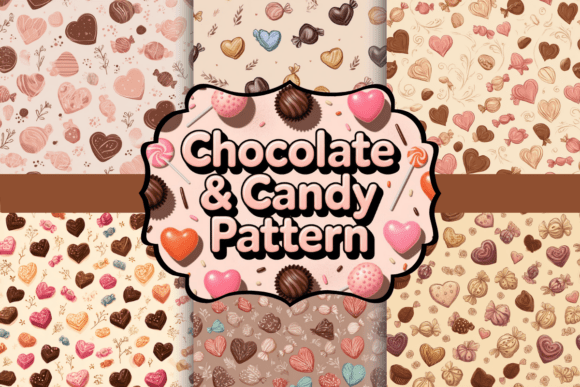
At its core, the Chocolate Candy Pattern is a curated suite of twelve high-resolution seamless designs, delivered in JPG format at 300 DPI. With dimensions of 12″ × 12″ (3600 × 3600 px), these files are engineered for exceptional print quality while remaining versatile enough for digital applications. The collection features a diverse array of motifs, including realistic chocolate bars, wrapped sweets, sprinkles, and dessert-inspired imagery, all set against opaque, non-transparent backgrounds.
However, from a strategic perspective, the value of this collection lies in its psychological impact. The color palette—dominated by rich browns, pastel pinks, and candy reds—triggers specific associative responses. Brown often conveys reliability, earthiness, and comfort, while the accent colors introduce energy and playfulness. For a brand or creator, leveraging this Chocolate Candy Pattern means tapping into a universal language of indulgence and joy. It is not simply about placing an image on a page; it is about curating an atmosphere that lowers defenses and invites engagement, making it particularly effective for industries ranging from confectionery and hospitality to education and lifestyle blogging.
Strategic Applications Across Industries
The utility of the Chocolate Candy Pattern extends far beyond traditional scrapbooking. While hobbyists will find immense value in junk journals and planner covers, the commercial and professional applications are where the true return on investment lies. Thoughtful deployment of these patterns can enhance customer experience and operational consistency across various touchpoints.
- Product Packaging and Labeling: For small batch chocolatiers, bakeries, or gift basket curators, packaging is the first physical interaction a customer has with the brand. Using a seamless pattern that aligns with the product flavor profile creates an immediate sensory connection. The 300 DPI resolution ensures that when printed on boxes, wrappers, or labels, the details remain crisp, reinforcing a perception of high quality and attention to detail.
- Digital Marketing and Social Media: In the crowded feeds of Instagram and Pinterest, consistent visual branding is crucial. These patterns serve as excellent backgrounds for promotional graphics, story highlights, or quote cards. The whimsical nature of the candy illustrations can soften corporate messaging, making a brand appear more accessible and human-centric.
- Educational and Community Materials: Educators and community organizers often struggle to make dry information engaging. Incorporating these sweet-themed visuals into newsletters, event flyers, or reward charts can increase readability and retention, particularly when communicating with younger demographics or fostering a lighthearted community spirit.
- Hospitality and Event Planning: From menu designs for cafes to party invitations and table settings, the Chocolate Candy Pattern sets a thematic tone before a guest even arrives. It signals a specific type of experience—one that is celebratory, indulgent, and carefully curated.
Planning for Cohesion: A Decision-Making Framework
Adopting a new visual asset requires a shift from impulsive selection to strategic planning. Before integrating the Chocolate Candy Pattern into your workflow, consider the following framework to ensure alignment with your overarching goals:
- Audit Your Current Brand Voice: Does your current communication style allow for whimsy and playfulness? If your brand positioning is strictly minimalist or ultra-corporate, introducing heavy candy motifs might create cognitive dissonance. However, if your goal is to appear friendly, creative, or family-oriented, these patterns are a perfect fit.
- Define the User Journey: Map out where the customer interacts with your content. Will this pattern be used on a website header, a physical brochure, or social media stories? Understanding the medium helps you select the specific design from the 12-sheet collection that offers the best contrast and readability for that context.
- Establish Consistency Rules: To avoid a cluttered or amateurish look, decide on rules for usage. For instance, use the pattern only for secondary elements like borders or backgrounds, keeping primary text areas clean. Or, limit the usage to seasonal campaigns to maintain novelty.
By treating the Chocolate Candy Pattern as a component of a larger system rather than a standalone fix, you ensure that it enhances rather than distracts from your core message.
Risks of Unintentional Implementation
While the aesthetic appeal of these designs is undeniable, relying on them without clear context carries risks. The primary danger lies in visual noise. Because the patterns feature detailed illustrations of candies, sprinkles, and chocolates, using them behind dense text or complex data visualizations can render the content illegible. This undermines the primary goal of communication: clarity.
Furthermore, overuse can lead to brand dilution. If every piece of collateral—from invoices to internal memos—features the same whimsical candy background, the specialness of the design diminishes, and the brand may struggle to be taken seriously in professional negotiations. There is also the risk of thematic mismatch; using a "sweet" aesthetic for a serious topic, such as financial advising or legal counsel, could inadvertently signal a lack of gravitas unless executed with extreme subtlety and irony.
To mitigate these risks, always prioritize function over form. Use the opaque backgrounds to your advantage by layering solid color blocks or white space over the pattern where text needs to reside. Remember that the file sizes (8–18 MB per sheet) indicate high detail; ensure your output medium can handle this resolution without slowing down load times for digital projects.
Maximizing Long-Term Value Through Intentional Design
The ultimate goal of incorporating assets like the Chocolate Candy Pattern is to build a sustainable visual identity that drives results over time. When used intentionally, these patterns become part of your brand's signature, much like a logo or a specific typography choice. They contribute to a cohesive narrative that customers begin to recognize and trust.
Consider the lifecycle of your projects. A well-chosen pattern can be repurposed across multiple channels, extending the life of a single campaign. For example, a design used for a Valentine's Day promotion can be adapted for a summer "sweet treats" launch simply by changing the accompanying copy and accent colors. This flexibility supports operational efficiency, allowing teams to produce high-quality materials faster without sacrificing uniqueness.
Moreover, in an era where authenticity is prized, the hand-drawn, illustrative quality of these chocolate and candy motifs offers a counter-narrative to the sterile, AI-generated perfection that dominates the market. It signals human effort and creativity, qualities that resonate strongly with modern consumers who value craftsmanship.
Conclusion: Making the Sweet Choice Count
The Chocolate Candy Pattern collection is a potent tool in the arsenal of any creative professional or business owner. Its value is not inherent in the pixels themselves but in the strategy behind their application. By understanding the psychological weight of the imagery, planning its integration carefully, and avoiding the pitfalls of over-decoration, you can leverage these designs to create joyful, effective, and memorable communications.
Whether you are designing a scrapbook page to preserve personal memories or crafting a packaging solution to elevate a product line, the key lies in intentionality. Let the rich textures and playful elements of these seamless papers serve your broader objectives, turning simple visuals into powerful drivers of engagement and brand loyalty. In the end, the sweetest results come from the most thoughtful planning.